Why Isn't Starry Night at the Van Gogh Museum?
Van Gogh museum Starry Night: why it's not in Amsterdam, where it really is, and how it ended up there.
No, Van Gogh museum Starry Night has never been in Amsterdam. The painting has belonged to MoMA in New York since 1941, acquired by trade rather than purchase. Amsterdam holds other major works instead, including Sunflowers.
 Van Gogh Museum Admission Ticket: Price and Entry Times From $29.62 · Cheapest way in See dates
On this page 7 sections
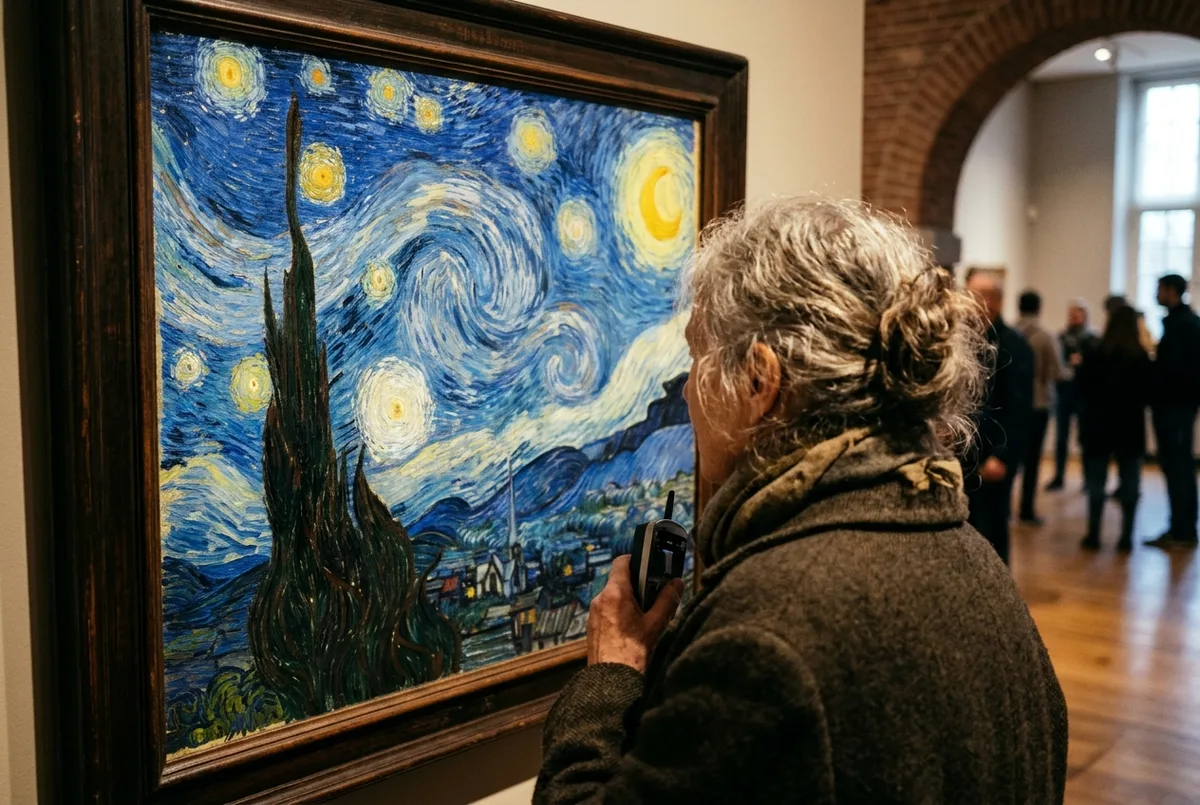
Van Gogh museum Starry Night gets searched constantly, and the answer is almost disappointingly simple: it has never belonged to the Van Gogh Museum’s collection. Not once. It belongs to the Museum of Modern Art, MoMA, in New York, where it’s hung since 1941.
Starry Night by the numbers
Source:Wikidata and WikipediaIs Van Gogh’s Starry Night at the Van Gogh Museum?
No. Starry Night has never been part of the Van Gogh Museum’s collection; it belongs to MoMA in New York. If you walked the Amsterdam galleries looking for it and came up empty, don’t feel bad. That’s a genuinely common mix-up, not a sign you missed a room.
Where is the original Starry Night located right now?
Permanent display, MoMA in New York City, accession number 472.1941. It rarely travels. MoMA almost never lends it out, so seeing it in person really does mean booking a flight to New York, not waiting for it to come to you.
How did Starry Night end up in New York instead of Amsterdam?
A long chain, honestly: it passed from Theo van Gogh’s widow Jo through a Rotterdam collector named Georgette van Stolk, then to the dealer Paul Rosenberg, who traded it to MoMA in 1941 for three other paintings instead of cash — two Cezannes and a Toulouse-Lautrec, all bequeathed by the collector Lillie Bliss.
That trade made Starry Night the first Van Gogh any New York museum ever acquired. Decades before the Van Gogh Museum in Amsterdam even opened its doors.
When and where did Van Gogh paint Starry Night?
Mid-June 1889, at the Saint-Paul-de-Mausole asylum in Saint-Remy-de-Provence. Mostly from memory and imagination, not standing outside at night with a canvas. Probably finished over a single weekend in his studio, using fresh tubes of cobalt blue and ultramarine his brother Theo had just sent him.
| Year | Owner | What happened |
|---|---|---|
| 1890 | Theo van Gogh | Inherited after Vincent’s death |
| 1901-1938 | Jo Bonger, then Georgette van Stolk | Sold, briefly resold, then kept in Rotterdam |
| 1938 | Paul Rosenberg | Bought from van Stolk |
| 1941 | Museum of Modern Art | Acquired by trade, not purchase |
Did Van Gogh actually like the painting he’s now most famous for?
Not really, and that’s kind of the best part of this story. He privately called it a “failure” and a “setback” in letters to his brother Theo and the painter Emile Bernard, worried the swirling sky looked exaggerated, too much. He didn’t even call it “Starry Night.” He used “night study,” “starry sky,” phrases like that. The famous title only stuck after a 1927 Rotterdam exhibition, long after he was gone.
Where can you see Van Gogh’s other famous paintings, like Sunflowers?
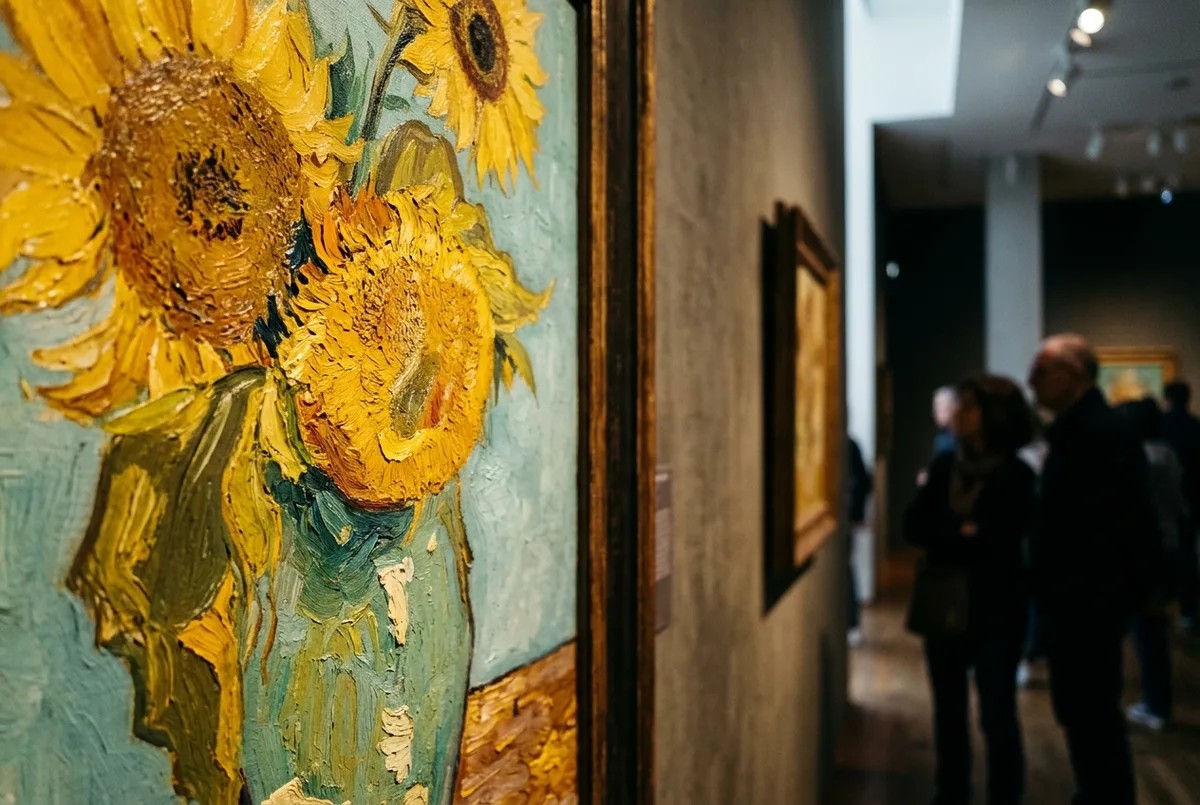
Plenty of his best-known work does hang in Amsterdam, for what it’s worth. The Van Gogh Museum’s own Sunflowers is one of the collection’s biggest draws, and the full collection guide covers the rest of the walls, Almond Blossom and The Potato Eaters included.
Got a New York trip on the calendar too? The guide to where else to see Van Gogh’s paintings rounds up the Met, the Musee d’Orsay, the Louvre and Philadelphia.
Questions
Did Van Gogh name the painting ‘Starry Night’ himself?
No. In his letters he called it a “night study,” “starry sky,” or “night effect.” The title “Starry Night” only attached itself after a 1927 Rotterdam exhibition, decades after he died.
What colors did Van Gogh use for the swirling sky?
Mainly cobalt blue and ultramarine, with swirling strokes of white and pale yellow carrying the stars and moon. Fresh paint tubes, sent recently by his brother Theo.
Does MoMA ever loan Starry Night to other museums?
Rarely, and I mean rarely. MoMA treats it as one of its signature works and keeps it on permanent display in New York almost all the time. A loan elsewhere is the exception, not the norm.
What is Starry Night’s official accession number at MoMA?
472.1941. The number reflects the year it entered the museum’s permanent collection, through that 1941 exchange with the dealer Paul Rosenberg.